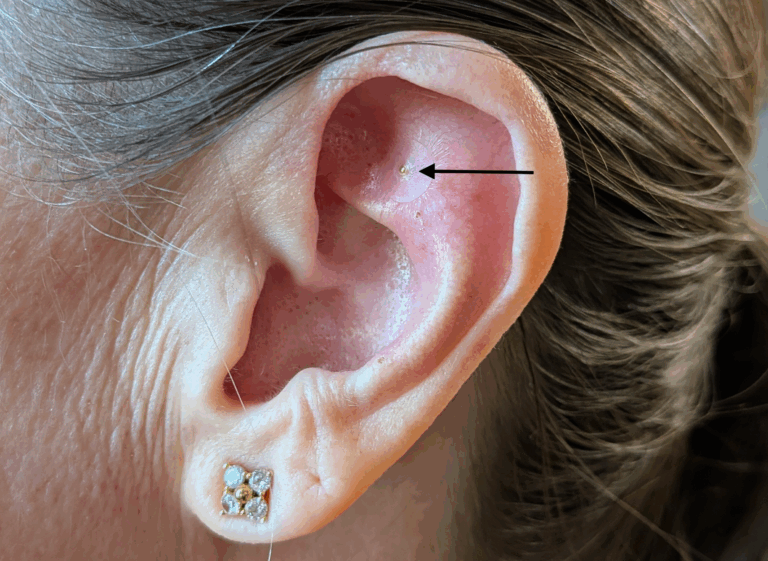

Millions of people (as many as 50 million per year) suffer from recurring allergy symptoms. The causes of allergies are as many as the people who suffer from them. The severity of an individual’s reaction to a given allergy can vary greatly from one person to another and one allergic event to the next. Allergies range in severity from minor to mild, to irritating to severe, and some allergies can even be deadly.
The most common, most problematic allergic sensitivity is Hay Fever or allergic rhinitis, which we see a LOT of in Central Texas. Many people miss work and other important activities on a seasonal basis when severe Hay Fever symptoms are not controlled.
For these reasons, many people seek relief from allergies, and fortunately, there are many healthcare options available for those who are seeking better ways to treat their allergies. One of the most promising, and often overlooked treatments can be acupuncture, acupressure, and herbs. Let’s take a look at how these can help you during this current allergy season, as well as future seasons.
Acupuncture for Allergies
While medication can reduce inflammation and suppress other symptoms of allergies, medications almost always come with undesirable side effects. Few medications can resolve the underlying problem that makes a given person allergic to a given substance. Conversely, acupuncture has been used for a number of years now by a wide range of practitioners to successfully relieve allergy symptoms.
Acupuncture is an ancient practice developed in mainland China and has been used for a wide variety of conditions. Since becoming popular in the West, it has been frequently used as a complement to Western medicinal options. Acupuncture helps to correct functional imbalances and restore the flow of your body’s innate energies, thus returning you to a more natural state of well-being. And hopefully allergy-free!
This study took aim at the most troublesome of all allergies, allergic rhinitis. It corroborates the reports by patients and practitioners that acupuncture is an effective way to treat allergies.
The study looked at 422 patients who tested positive for pollen allergies and presented with allergic nasal symptoms. The researchers randomly assigned participants to three different groups. One group was given 12 acupuncture treatments and took antihistamines as they normally would. The next group took 12 sham acupuncture treatments and antihistamines as they would normally do to combat symptoms. The third group took only antihistamines with no acupuncture treatments.
The research team found that those who received both real acupuncture and antihistamines reported the largest decrease in symptoms. They also reported using antihistamines less frequently than the other two groups.
While this study was limited to one allergy, it is promising that other, if not all seasonal allergies, can be successfully treated through the regular use of acupuncture and/or acupressure.
More Acupuncture Research on the Immune System as a Whole
Research has also shown that needling acupuncture points like Stomach-36 enhances natural killer cell activity, balances inflammatory cytokines, and guides macrophages towards healing states – that’s all from 1 acupuncture point! When Stomach-36 is combined with other points such as Large Intestine 4 and 11, acupuncture can guide the body toward clarity, coordination, and resistance for the next allergy season (as well as cold and flu season).
Acupressure for Allergies
You can also use acupressure at home to regulate the immune system. Check out this video I created with my 2 favorite immune-regulating points (and reach out if you have questions about acupressure!).
Chinese Herbal Therapy for Seasonal Allergies
There are several great over-the-counter remedies that are more natural, which you can purchase at People’s Pharmacy (I love the Cedar Serum to prevent symptoms, and the D-Hist to prevent and treat allergy symptoms).
Cedar Serum and D-Hist are great products, but as an acupuncturist, I can also use Traditional Chinese medicine herbal formulas to treat and prevent allergies from occurring. One formula that I prescribe a lot is Yu Ping Feng San. This herbal formula has been shown in research to not only strengthen the immune system but also regulate how the immune system responds to outside threats. This allows the body to react to relevant threats, rather than “over-react” tp things in our environment such as grass, ragweed, oak, or cedar pollen.
If you’re noticing more sneezing, itchy eyes, or nasal congestion and over-the-counter meds aren’t enough, let’s talk about how acupuncture or Chinese herbal medicine can support your immune system and give you some allergy relief.
If you’re a new patient, schedule a Q&A or consultation here. And if you’re already a patient at Austin Acupuncture Studio, just schedule a regular acupuncture visit and in the notes field put “acupuncture for allergies”.
You’re in Health,
Misty Reed, L.Ac., MAcOM, FABORM
Austin Acupuncturist
Fertility Acupuncture in Austin
512-677-9051
Follow me on Facebook and Instagram